Blog

  • Can a Tesla Really Fly? The Truth About the Flying Tesla Car

    Can a Tesla Really Fly? The Truth About the Flying Tesla Car

    For many years, people dreamed about flying cars. We saw them in science fiction movies and old comic books. Today, technology is moving very fast. Recently, many people on the internet started talking about a surprising topic: a flying Tesla car. But is this real, or is it just a dream?

    What is the Flying Tesla?

    The idea of a flying Tesla comes from Elon Musk, the head of Tesla. When discussing the upcoming Tesla Roadster, he made a shocking announcement: the car could include special rocket thrusters developed by his space company, SpaceX.

    According to Musk, small cold-gas thrusters could be placed around the vehicle. These thrusters could help the car accelerate instantly, stop faster, and even hover or float above the ground for brief moments. Because of these claims, fans and journalists quickly named it the “flying Tesla.”

    How Could It Work?

    Normal cars use tires and electric motors to drive on roads. But to leave the ground, a car needs extra thrust to fight gravity.

    • Cold-Gas Thrusters: Instead of burning rocket fuel, these thrusters shoot out very high-pressure air. This creates instant power without flames.
    • Lightweight Materials: Flying requires minimal weight. Engineers must use carbon fiber to keep the car light and strong.
    • Advanced Computer Control: Flying vehicles need smart software to stay balanced in the wind.

    The Big Challenges

    Although the idea sounds like something from a movie, building a flying car involves serious obstacles:

    1. Safety Rules: Driving on the street is regulated, but flying in the sky requires strict aviation permits and pilot training.
    2. Noise: High-pressure thrusters are very loud. Cities may not allow noisy thrusters in residential neighborhoods.
    3. Battery Energy: Lifting a two-ton electric vehicle uses a lot of energy, which could drain the battery very quickly.

    The Future of Sky Travel

    Tesla has delayed the Roadster several times to perfect its design, but Musk promises that the final version will be unlike any car ever made. At the same time, many aerospace companies are building electric flying taxis (eVTOLs) that may soon take passengers across busy cities.

    Conclusion

    While we might not see highways in the sky tomorrow, Tesla’s ambitious plans prove that the future of transportation is changing. The flying Tesla Roadster might just be the first step into a whole new world of mobility.

  • Hello World – Test Dummy Post

    Hello world! This is a test dummy post created automatically via OpenClaw and WordPress MCP integration.

    Everything is now connected, authenticated, and functioning properly.

  • A Visitor from Deep Space: 3I/ATLAS

    A Visitor from Deep Space: 3I/ATLAS

    Is It Aliens?

    When scientists first found a new object in space called 3I/ATLAS, many people on the internet got very excited. They made videos and posts saying, “It’s aliens!” or “It’s a spaceship!”

    But scientists say it is not an alien ship. They have studied the object with special tools. These studies show that 3I/ATLAS is a completely natural object, like a comet or a big rock from space. It is not here to visit us; it is here to teach us about the galaxy.

    A Special Visitor

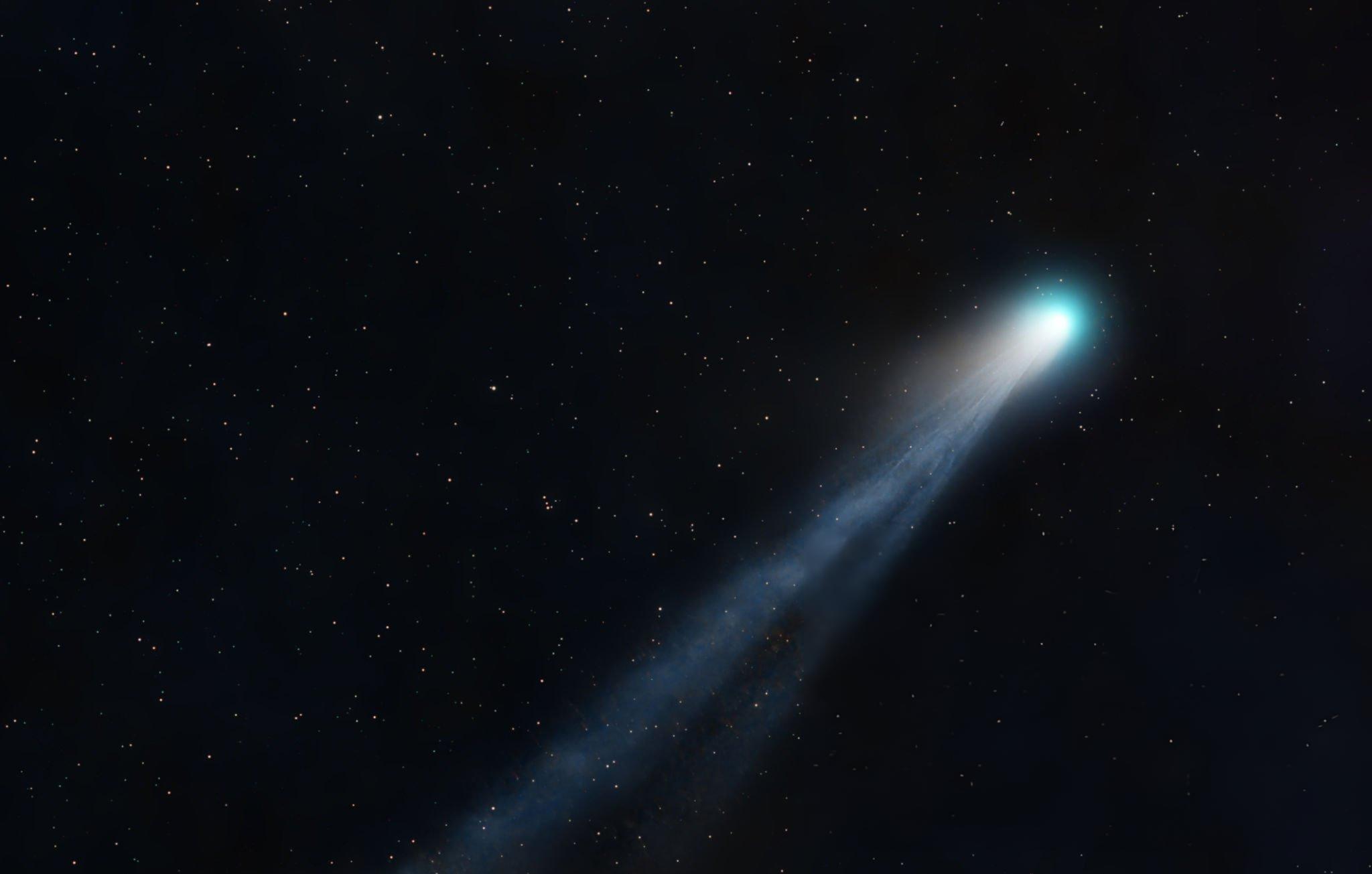
    3I/ATLAS looks like a comet, but it is very different from the comets in our Solar System. The big difference is its home. This object was not born near our Sun. It was born in the very cold, deep space between the stars. This makes it a very unique and important visitor for scientists to study.

    What Does the Name “3I/ATLAS” Mean?

    The name tells us two things:

    • ATLAS: This is the name of the telescope system in Hawaii that first saw the object.
    • 3I: The “I” stands for “interstellar,” which means “from another star system.” 3I/ATLAS is the third interstellar object (3rd “I”) that we have ever found.

    The “3I” name also shows that the discovery is very reliable. It was checked and confirmed three separate times by different scientists.

    Its Long Journey

    Scientists know 3I/ATLAS is just a visitor because of its path (its orbit). It is moving extremely fast—too fast for our Sun’s gravity to stop it. It will fly past Mars and then travel back out of our Solar System, returning to deep space forever.

    What Is It Made Of?

    The James Webb Space Telescope studied the object and found it is very different from our comets.

    1. Lots of CO₂: It has a very large amount of carbon dioxide (CO₂) gas. This tells scientists that it formed in an extremely cold place, much colder than where our comets formed.
    2. A Red Color: The object’s surface is reddish. This red color comes from special materials that were “cooked” by space radiation over a very long time. This proves it traveled between the stars for millions of years.

    Why Is This Object Important?

    3I/ATLAS is not just a rock. It is like a “message in a bottle” from a faraway star system. It is probably very, very old—maybe even older than our Sun.

    By studying it, scientists can learn how other star systems are made.

  • The Power of Saying “No”

    The Power of Saying “No”

    Many people think being productive means doing more. But the real secret to being productive is saying no.

    If you don’t do something, you save time. For example, the fastest meeting is the one that doesn’t happen. Of course, sometimes we must go to meetings or do tasks, but we often say “yes” to things we don’t really want or need to do.

    Later, we feel tired and stressed because our to-do list is full. We said “yes” too many times. That’s why learning to say “no” is so important.

    Why We Say “Yes”

    We often say “yes” not because we want to, but because we don’t want to look rude or unkind. We want to be helpful to friends, family, and co-workers.

    It’s not wrong to want to help others, but if we always say yes, we lose our own time and energy. Sometimes we agree to things that don’t really help anyone — and don’t make our lives better either.

    Yes vs. No

    Saying “yes” and saying “no” don’t have the same value. When you say no, you are only saying no to one thing.

    When you say yes, you are saying no to everything else you could do at that time.

    When you say yes, you give away your future time. When you say no, you protect your future time.

    Saying no means keeping control of your time.

    Saying yes means giving your time to someone else.

    “No” is a decision. “Yes” is a responsibility.

    Why Saying No Matters

    Some people think only rich or powerful people can say no. That’s not true. Everyone can and should use “no” wisely.

    Your time is your most important resource. If you don’t protect it, other people will take it. You should say no to things that don’t move you toward your goals.

    Steve Jobs once said:

    “Focus doesn’t mean saying yes to what’s important. It means saying no to hundreds of other good ideas.”

    When you stop wasting time on distractions, you can focus on what really matters.

    Learning to Say No Better

    As you grow and improve, you need to become more careful about what you say yes to.

    At first, you say no to bad things — distractions, waste of time, etc.

    Later, you need to say no to good things too, so you can make time for great things.

    Saying no doesn’t mean you never say yes. It just means you say yes only when it truly matters.

    How to Say No

    If you find it hard to say no, try this:

    Ask yourself, “If I had to do this today, would I say yes?”

    If the answer is no, then you should probably not agree to it.

    Another simple rule: if the answer is not “Wow, yes! I’d love to do that!” — then it’s probably a “no.”

    Saying no is easier than trying to stop something later. It’s better to prevent stress than to fix it later.

    Final Thought

    We often waste more time doing things that don’t matter than doing things badly. The most productive people are not the busiest — they are the most selective.

    As Peter Drucker said:

    “There is nothing so useless as doing efficiently what should not be done at all.”

    So remember: the best productivity trick is simple — learn to say no.

  • Which Animals Could Have Been on Noah’s Ark?

    Which Animals Could Have Been on Noah’s Ark?

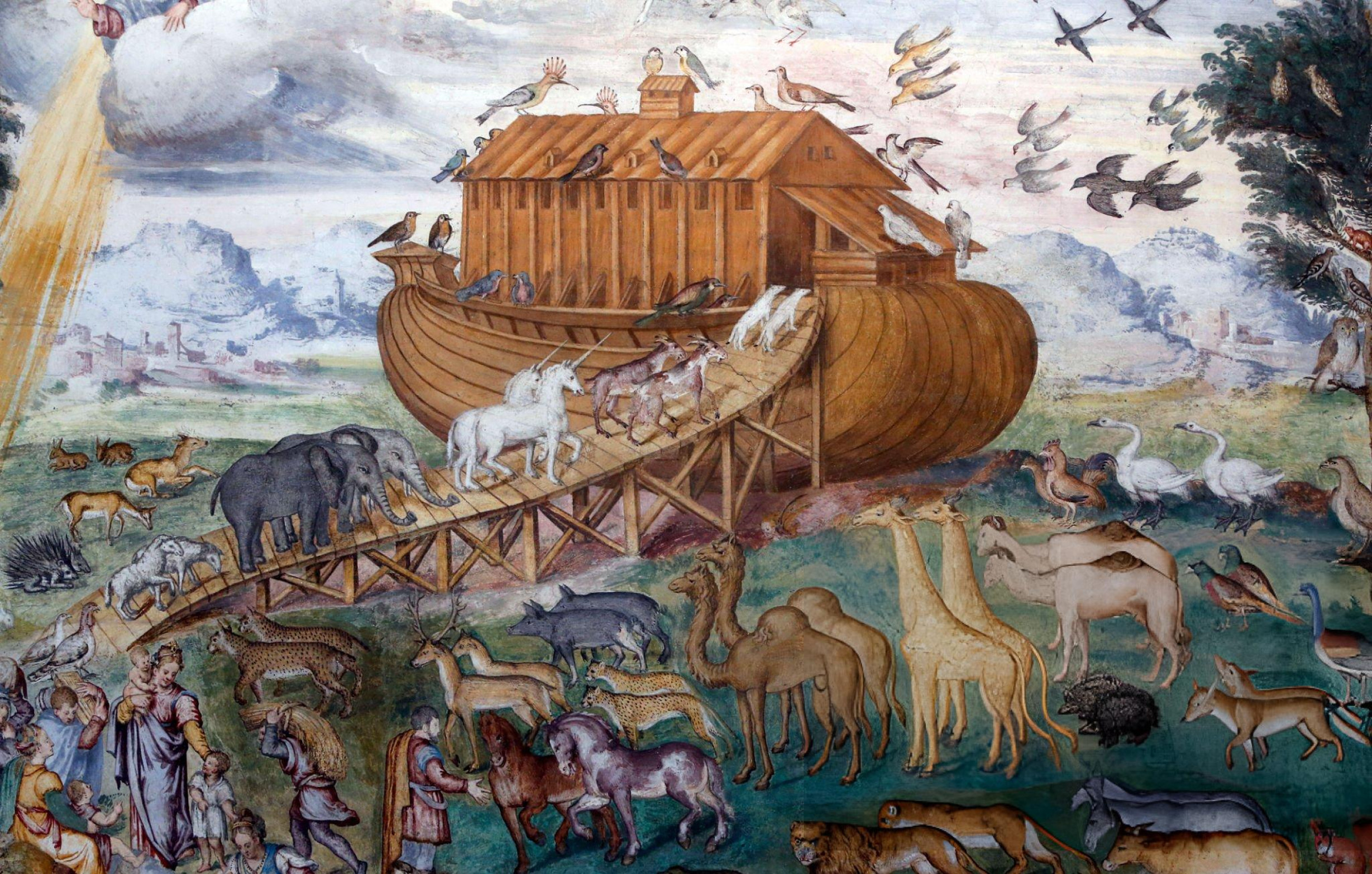
    People have always wondered which animals were on Noah’s Ark. The story from the Book of Genesis tells about a big flood and a man named Noah who built a boat to save his family and many animals. But the Bible does not tell us exactly which animals were there. It only says that Noah sent a dove and a raven to see if the flood was over.

    Even though the Bible is not clear, artists and scientists have made many guesses about the animals on the ark. Their ideas show what people in different times believed about the world and about animals.

    Medieval pictures of Noah’s Ark

    People started thinking about the ark and its animals many centuries ago. One of the oldest pictures of the story was found on an ancient coin made in today’s Turkey. It shows Noah’s ark and two birds.

    In the Middle Ages, people loved stories about animals. Artists and writers wanted to show the ark and to teach religious lessons through it. They made beautiful books called bestiaries—books that included drawings and stories about real and imaginary animals.

    Because of these books, many old pictures show the ark full of different animals from land and sea.

    Familiar and exotic animals

    Most European artists only knew the animals they saw every day, so they painted cows, goats, pigs, and birds leaving the ark in pairs.

    Later, when Europe began to trade with other countries, people learned about new and exotic animals. Artists started to paint monkeys, lions, peacocks, and giraffes on the ark.

    Some artists even added fantasy animals like unicorns or dragons because people did not know much about the world. Without books or travel, they imagined strange creatures as real.

    Early scientific ideas

    In the 1500s and 1600s, after the Reformation, some scientists began to think about the ark as a real event. They tried to understand how all the animals could fit on one ship.

    A French mathematician named Jean Borrell said there were only 93 kinds of mammals on the ark, and that other animals appeared later from the mud.

    A Spanish priest, Benito Pereira, thought insects didn’t need to be on the ark because they could come from dead bodies.

    And the English explorer Sir Walter Raleigh said that hybrid animals, like mules, didn’t exist yet and so were not on the ark.

    The idea of species

    A German scientist named Athanasius Kircher wrote a book in 1675 called Arca Noë about the ark. He believed that many animals were hybrids—for example, he said giraffes were half camel and half leopard (which is not true).

    Because of these strange ideas, he said Noah only needed to take 130 types of mammals, 30 snakes, and 150 birds to fill the world after the flood.

    Even though his ideas were wrong, Kircher and other thinkers helped people start to understand what we now call species—groups of animals that share the same kind.

    A story that inspired science and art

    The story of Noah’s Ark inspired people for hundreds of years.

    From religious art in the Middle Ages to scientific studies in the 1600s, it made people ask big questions about animals and nature.

    Even if we don’t know exactly which animals were on the ark, the story helped humans learn more about the natural world and how we classify living things today.

  • Have We Been Measuring Mountains the Wrong Way?

    Have We Been Measuring Mountains the Wrong Way?

    A new way to measure how “grand” or impressive a mountain looks is changing how we see the world’s tallest peaks. It turns out that Mount Everest may not be the most impressive mountain after all.

    When Kai Xu was 19 years old, he visited Mount Tom in California. Standing at the bottom, he was amazed by its size and beauty. Xu had always loved mountains—he used to explore them on Google Earth as a child. But this time, seeing one in real life made him think: “Is there a way to measure how impressive a mountain looks?”

    Xu, now a computer science student at New York University, decided to find an answer. He spent a year studying and programming before creating a new way to measure mountains. His method looks not only at how tall a mountain is, but also at how steep it rises from the ground. He called this new value “jut”, which describes how much a mountain seems to stick out from the earth.

    When he calculated the “jut” of mountains around the world, Mount Everest ranked only 46th. The mountain that came first was Annapurna Fang in the Himalayas. Many mountain lovers found this surprising—but also exciting.

    Xu’s idea started a lot of discussion among hikers and scientists. For many years, people measured mountains by their height above sea level. But Xu noticed that some tall mountains don’t look very dramatic, while smaller ones can look amazing. For example, Half Dome in Yosemite is not very high, but it rises sharply and looks breathtaking. On the other hand, Dome Argus in Antarctica is quite high but so flat that it hardly looks like a mountain at all.

    To create his formula, Xu used data from Google Earth. He measured the height and steepness of more than 200,000 mountains to find their most impressive viewpoints. He later published his study online and created a website called peakjut.com, where people can search for mountains ranked by their jut score.

    Many mountain fans loved the idea and started using his system to find new travel destinations. Some even changed their hiking plans after learning about high-jut peaks near them. Xu’s work also caught the attention of scientists at NASA, who said his method could even help describe mountains on other planets where there is no sea level.

    Xu hopes his idea helps people appreciate mountains in a new way. “I want people to look at the world differently,” he says. His love for both computer science and geography continues to inspire him, and he believes technology can help us discover more hidden wonders on Earth—and maybe even beyond it.

  • How to Stop Your Cheese Sauce From Turning Clumpy

    How to Stop Your Cheese Sauce From Turning Clumpy

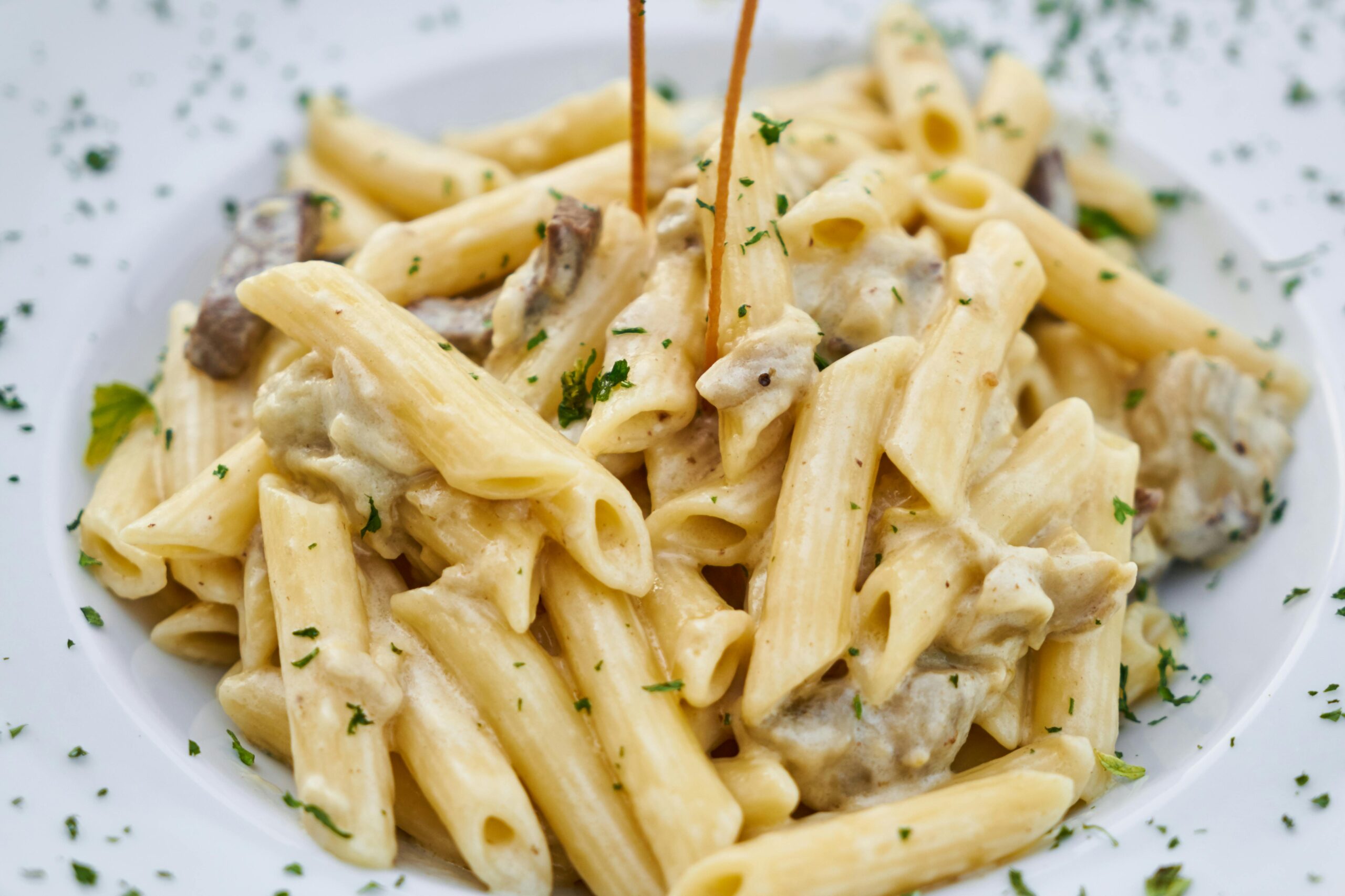
    If you’ve ever tried making cheesy pasta and ended up with lumps instead of a silky sauce, you’re not alone. According to Rachel Roddy, Feast’s Italian correspondent, it’s “annoying but very common.” She explains that in traditional Italian cooking, cacio e pepe was not originally the creamy sauce we expect today. It was simply pasta tossed with cheese.

    The problem comes down to heat. Pasta water is now widely used to create creamy emulsions, but that extra heat can cause cheese to separate. “When cheese gets too hot,” Roddy says, “the solids lose their fat and liquid, turning into little blobs.” The difference between smooth and clumpy sauce can be just a few degrees.

    Tim Siadatan, chef and author of Padella: Iconic Pasta at Home, points out that parmesan, often used in cacio e pepe, is harder to melt than soft cheeses like mozzarella. Parmesan is dry, high in protein, and low in moisture, which makes it tricky to achieve a smooth texture. His tip: grate the cheese very finely so it melts more easily, but keep it away from heat until you’re ready to use it. Otherwise, it can clump before it even touches the pasta.

    To keep things under control, some Roman chefs even add grated ice cubes to the pan along with the cheese. Roddy prefers mixing cheese and pepper with a little cold water in a bowl first, making a paste like toothpaste. Then, when the hot spaghetti is added, the mix melts smoothly without overheating. She also recommends patience: wait 10–30 seconds before tossing the pasta with the sauce so it cools just enough to prevent clumping.

    Siadatan’s method is slightly different: he keeps the pan over a medium-low heat and adds cheese gradually, a handful at a time, stirring it into the liquid until smooth. Mateo Zielonka, author of Pasta Pronto, also advises pairing cheese with a liquid base like butter, egg yolk, or cream. When making fettuccine alfredo, for example, he removes the pan from the heat before adding parmesan in two stages to avoid stringiness.

    But what if it all goes wrong? Roddy says you can sometimes save the sauce by adding more cheese, a splash of cold water, and beating it vigorously. If not, she suggests treating it as a learning moment: “Watching cheese coagulate is the best way to understand how temperature changes everything.”

  • The Secret Behind a Woman Who Lived 117 Years

    The Secret Behind a Woman Who Lived 117 Years

    Maria Branyas Morera was the world’s oldest person when she died last year at the age of 117. Scientists studied her genes to understand why she lived such a long life.

    Before she died, Maria gave doctors samples of her blood, saliva, urine, and stool. Doctors wanted to learn about her body and health to see what made her life so long. Researchers compared her with other women from Spain and Portugal, because Maria was born in the United States to Spanish parents but lived most of her life in Spain.

    The study showed that her long life was a mix of good habits and lucky genes. Maria did not smoke or drink alcohol, she exercised often, and she spent time with other people. She also had special genes that helped protect her from diseases like heart problems, diabetes, and dementia. Her cells looked younger than her real age.

    Scientists also looked at her gut microbiome, which is the bacteria inside the stomach and intestines. Maria had a lot of good bacteria called Bifidobacterium. This may have been helped by the yogurt she ate three times every day. These bacteria can protect the body from inflammation and help people stay healthy.

    However, scientists warn that eating yogurt alone will not make someone live to 117. Some experts say the study of one person is not enough to explain why she lived so long. Maybe she was just very lucky. Other scientists add that things like money, health care, and lifestyle also play a big role in how long someone lives.

    The main researcher, Manel Esteller, hopes that the results will help create new medicines to keep older people healthier. He says, “Maria’s parents gave her very good genes, but we cannot choose our parents.”

  • How to Build Good Habits and Keep Them in the New Year

    How to Build Good Habits and Keep Them in the New Year

    Good habits are very important if you want to be successful in life. They help you in school, in your job, and in your personal health. But creating new habits and keeping them can be difficult. Almost half of New Year’s resolutions fail because many people don’t know how habits really work. By understanding the science of habits, you can learn how to build routines that last.

    A habit is something you do again and again until it becomes automatic. Simple habits include brushing your teeth or making your bed. More complex ones can be planning your day or studying at the same time every evening. When you repeat an action, your brain creates new connections. Scientists call this neuroplasticity. You can let it happen passively by repeating behaviors, or you can do it actively by choosing habits on purpose. For example, a student may notice better focus when studying every day at the same hour. By reflecting on this, the student can train the brain to build a useful habit.

    Scientists also explain habits with something called the habit loop. It has four parts: cue, craving, response, and reward. A cue is the signal that starts the habit, like your alarm in the morning. A craving is the desire, such as wanting to feel more awake. The response is the action, for example making coffee. The reward is the good feeling you get, like having more energy. The loop works for both good and bad habits. When stressed, someone might want comfort, check social media, and feel relaxed for a short time. That becomes a bad loop. But if you replace the response with something better, like taking a walk or doing a short meditation, you can build a positive loop instead.

    To make new habits strong, you need more than willpower. Start by finding the cue. Ask yourself what makes you do the habit—maybe stress or a certain time of day. Then replace the response with a healthier action. Make sure the reward feels good, such as feeling calmer after a walk. Begin with small steps, like spending just 10 minutes reviewing your goals each morning. Change one habit at a time. Make it easier by preparing your environment. For example, keep healthy snacks ready or remove distractions from your study space. You can also share your goals with a friend and celebrate your progress with small rewards.

    The most important part is consistency. Research shows it may take weeks or even months for a habit to become automatic. You must keep practicing even if it feels slow. Don’t think of mistakes as failures. Instead, see them as lessons. If you miss your morning routine one day, ask why it happened and plan to do better next time, maybe by waking up earlier. Over time, your brain will rewire itself, and the new habit will become natural. Eventually, it will be part of your daily life, helping you stay healthy, happy, and successful.

  • How Many Mass Extinctions Have Shaped Life on Earth?

    How Many Mass Extinctions Have Shaped Life on Earth?

    Extinction has been one of the most defining forces in Earth’s history. Over the past 500 million years, our planet has endured five major mass extinction events—periods when biodiversity collapsed on a global scale and ecosystems were reshaped forever. Each of these die-offs was triggered by different catastrophic forces, from volcanic upheavals to asteroid impacts and abrupt climate shifts. Yet, in every case, the outcome was the same: life was pushed to its limits.

    Today, many scientists argue we are witnessing the beginnings of a sixth mass extinction, this time driven not by natural cataclysms but by human activity—deforestation, overfishing, pollution, and the climate crisis. To understand the gravity of this moment, it is worth revisiting the five great extinctions of the past.

    The Late Ordovician (444 million years ago)

    The first of the “Big Five” saw around 86% of species vanish, most of them marine organisms such as trilobites, corals, and brachiopods. The culprit was a dramatic climate shift: a sharp drop in carbon dioxide triggered a global ice age. Vast glaciers formed, sea levels plummeted, and shallow marine habitats—the cradle of Ordovician biodiversity—were devastated. When the ice eventually melted, sea levels rose again, compounding the destruction. Despite the devastation, this upheaval paved the way for new evolutionary paths.

    The Late Devonian (372 million years ago)

    Unlike the sudden Ordovician collapse, the Devonian extinction unfolded over millions of years, wiping out roughly 75% of species. Coral reefs, once thriving, collapsed and took millions of years to recover. Scientists suspect that the spread of vascular plants across land played a role: their roots destabilized soils, releasing nutrients into rivers and seas. This triggered vast algae blooms, which drained oxygen from the oceans—a phenomenon known as anoxia. While volcanic activity, asteroid strikes, and climate shifts may also have contributed, much about this extinction remains uncertain.

    The Permian-Triassic Event (252 million years ago)

    Nicknamed “The Great Dying,” this was the most catastrophic extinction in Earth’s history. Between 90% and 96% of all species disappeared. Massive volcanic eruptions in Siberia blanketed the skies with greenhouse gases, sparking intense global warming, ocean acidification, and widespread oxygen depletion. Marine ecosystems collapsed, forests withered, and many insect groups vanished. The crisis lasted around 30,000 years and fundamentally reset the trajectory of life on Earth.

    The Triassic-Jurassic Extinction (201 million years ago)

    Marking the end of the Triassic period, this extinction eliminated 70–76% of species, especially marine reptiles, early amphibians, and many plant groups. The most likely cause was another episode of colossal volcanism, this time in the Central Atlantic Magmatic Province, which released immense volumes of carbon dioxide. Rising temperatures and acidified oceans reshaped ecosystems. Yet, this ecological reset cleared the stage for dinosaurs to rise to dominance and diversify for the next 135 million years.

    The Cretaceous-Paleogene Event (66 million years ago)

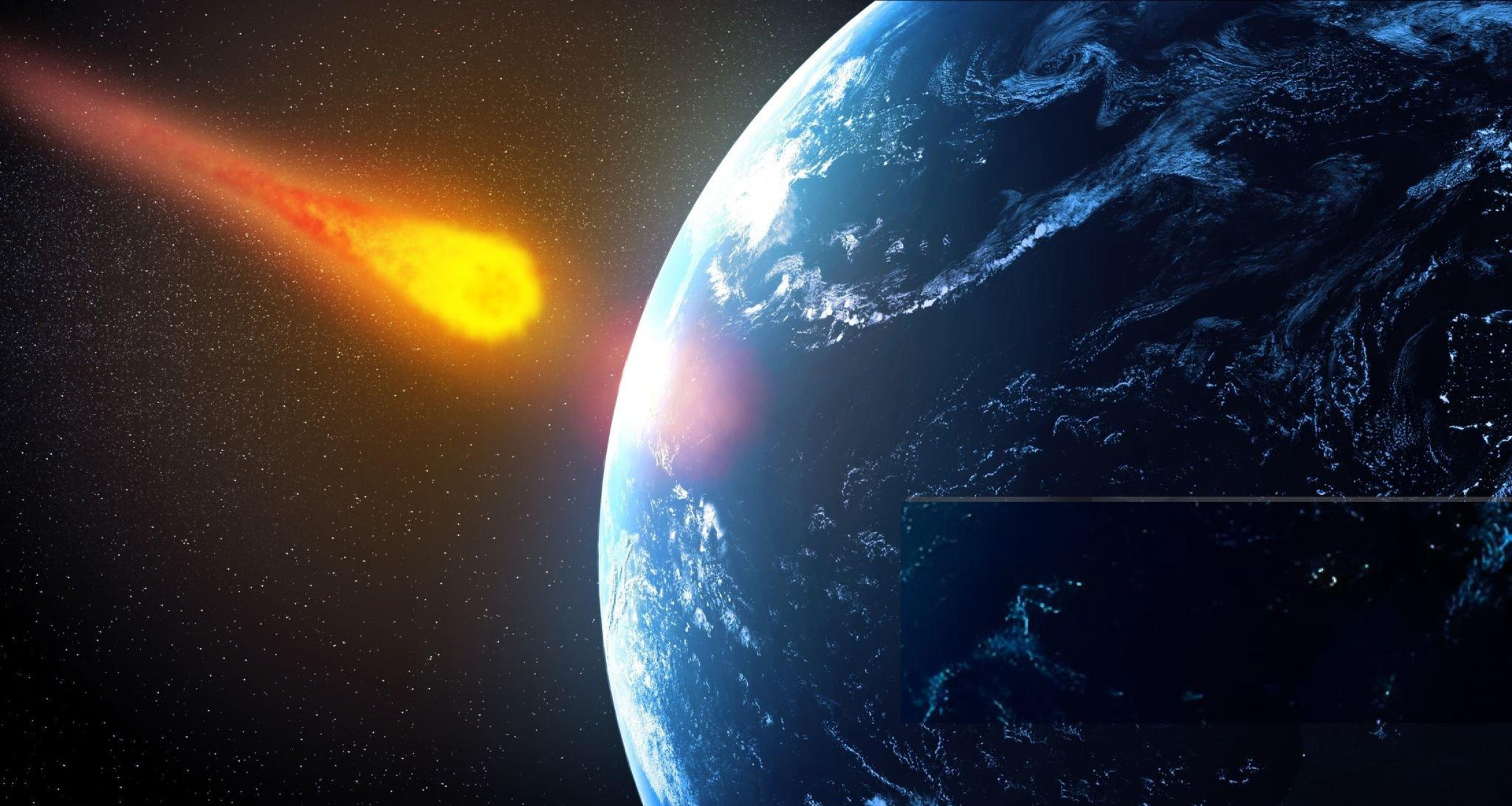
    Perhaps the most famous extinction, this event spelled the end of the non-avian dinosaurs and wiped out around 75% of species. The cataclysm was triggered by a 10–15 km-wide asteroid that slammed into present-day Mexico, forming the Chicxulub crater. The impact unleashed tsunamis, global wildfires, and months of “impact winter,” as debris blocked sunlight and photosynthesis faltered. Food chains collapsed across land and sea. Some researchers argue that volcanic eruptions in India (the Deccan Traps) may have worsened the crisis. While the dinosaurs perished, birds—descendants of small theropods—survived, and mammals seized the ecological niches left behind.

    Lessons for Today

    The fossil record makes clear that mass extinctions are transformative moments, reshaping the planet’s biosphere in ways both destructive and creative. Each extinction eliminated dominant groups yet also opened evolutionary opportunities for others. The dinosaurs’ fall, for instance, created space for mammals—and eventually humans—to thrive.

    The troubling difference today is that the potential sixth extinction is being driven not by cosmic or geological forces, but by human activity. Past extinctions teach us that recovery takes millions of years. Whether our species can prevent or at least mitigate another planetary-scale collapse depends on choices we make now.