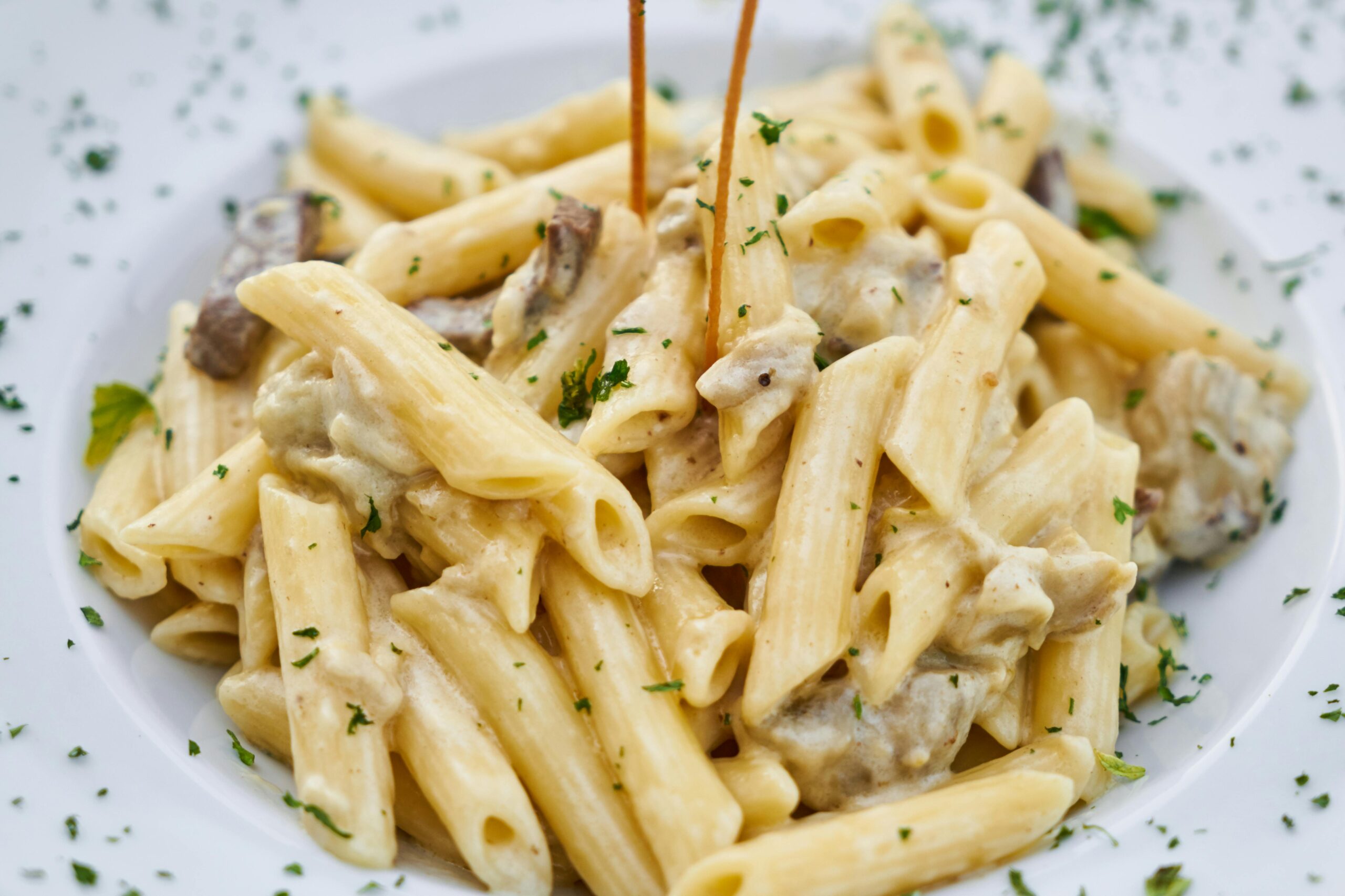
If you’ve ever tried making cheesy pasta and ended up with lumps instead of a silky sauce, you’re not alone. According to Rachel Roddy, Feast’s Italian correspondent, it’s “annoying but very common.” She explains that in traditional Italian cooking, cacio e pepe was not originally the creamy sauce we expect today. It was simply pasta tossed with cheese.
The problem comes down to heat. Pasta water is now widely used to create creamy emulsions, but that extra heat can cause cheese to separate. “When cheese gets too hot,” Roddy says, “the solids lose their fat and liquid, turning into little blobs.” The difference between smooth and clumpy sauce can be just a few degrees.
Tim Siadatan, chef and author of Padella: Iconic Pasta at Home, points out that parmesan, often used in cacio e pepe, is harder to melt than soft cheeses like mozzarella. Parmesan is dry, high in protein, and low in moisture, which makes it tricky to achieve a smooth texture. His tip: grate the cheese very finely so it melts more easily, but keep it away from heat until you’re ready to use it. Otherwise, it can clump before it even touches the pasta.
To keep things under control, some Roman chefs even add grated ice cubes to the pan along with the cheese. Roddy prefers mixing cheese and pepper with a little cold water in a bowl first, making a paste like toothpaste. Then, when the hot spaghetti is added, the mix melts smoothly without overheating. She also recommends patience: wait 10–30 seconds before tossing the pasta with the sauce so it cools just enough to prevent clumping.
Siadatan’s method is slightly different: he keeps the pan over a medium-low heat and adds cheese gradually, a handful at a time, stirring it into the liquid until smooth. Mateo Zielonka, author of Pasta Pronto, also advises pairing cheese with a liquid base like butter, egg yolk, or cream. When making fettuccine alfredo, for example, he removes the pan from the heat before adding parmesan in two stages to avoid stringiness.
But what if it all goes wrong? Roddy says you can sometimes save the sauce by adding more cheese, a splash of cold water, and beating it vigorously. If not, she suggests treating it as a learning moment: “Watching cheese coagulate is the best way to understand how temperature changes everything.”
Leave a Reply