Extinction has been one of the most defining forces in Earth’s history. Over the past 500 million years, our planet has endured five major mass extinction events—periods when biodiversity collapsed on a global scale and ecosystems were reshaped forever. Each of these die-offs was triggered by different catastrophic forces, from volcanic upheavals to asteroid impacts and abrupt climate shifts. Yet, in every case, the outcome was the same: life was pushed to its limits.
Today, many scientists argue we are witnessing the beginnings of a sixth mass extinction, this time driven not by natural cataclysms but by human activity—deforestation, overfishing, pollution, and the climate crisis. To understand the gravity of this moment, it is worth revisiting the five great extinctions of the past.
The Late Ordovician (444 million years ago)
The first of the “Big Five” saw around 86% of species vanish, most of them marine organisms such as trilobites, corals, and brachiopods. The culprit was a dramatic climate shift: a sharp drop in carbon dioxide triggered a global ice age. Vast glaciers formed, sea levels plummeted, and shallow marine habitats—the cradle of Ordovician biodiversity—were devastated. When the ice eventually melted, sea levels rose again, compounding the destruction. Despite the devastation, this upheaval paved the way for new evolutionary paths.
The Late Devonian (372 million years ago)
Unlike the sudden Ordovician collapse, the Devonian extinction unfolded over millions of years, wiping out roughly 75% of species. Coral reefs, once thriving, collapsed and took millions of years to recover. Scientists suspect that the spread of vascular plants across land played a role: their roots destabilized soils, releasing nutrients into rivers and seas. This triggered vast algae blooms, which drained oxygen from the oceans—a phenomenon known as anoxia. While volcanic activity, asteroid strikes, and climate shifts may also have contributed, much about this extinction remains uncertain.
The Permian-Triassic Event (252 million years ago)
Nicknamed “The Great Dying,” this was the most catastrophic extinction in Earth’s history. Between 90% and 96% of all species disappeared. Massive volcanic eruptions in Siberia blanketed the skies with greenhouse gases, sparking intense global warming, ocean acidification, and widespread oxygen depletion. Marine ecosystems collapsed, forests withered, and many insect groups vanished. The crisis lasted around 30,000 years and fundamentally reset the trajectory of life on Earth.
The Triassic-Jurassic Extinction (201 million years ago)
Marking the end of the Triassic period, this extinction eliminated 70–76% of species, especially marine reptiles, early amphibians, and many plant groups. The most likely cause was another episode of colossal volcanism, this time in the Central Atlantic Magmatic Province, which released immense volumes of carbon dioxide. Rising temperatures and acidified oceans reshaped ecosystems. Yet, this ecological reset cleared the stage for dinosaurs to rise to dominance and diversify for the next 135 million years.
The Cretaceous-Paleogene Event (66 million years ago)
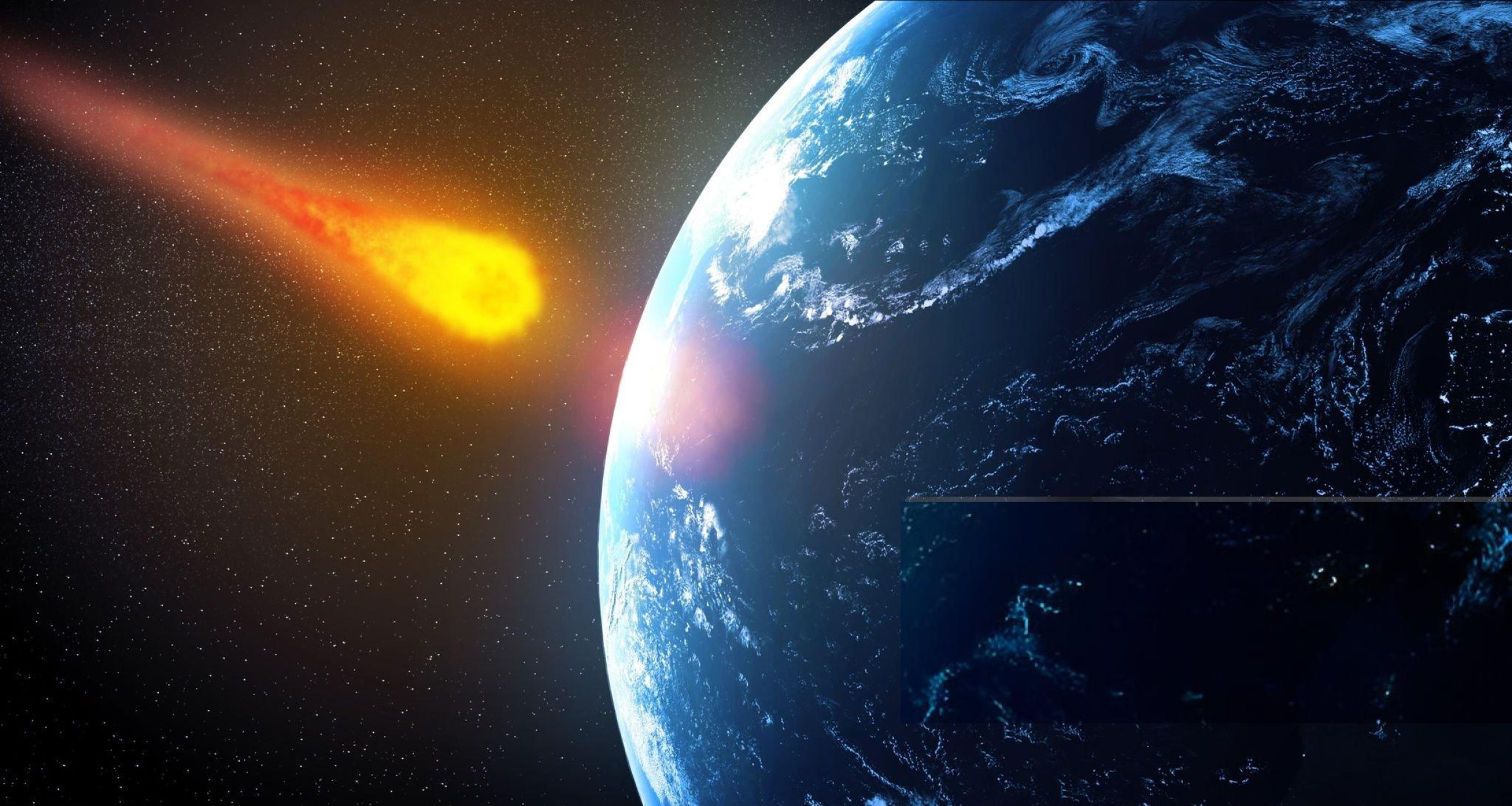
Perhaps the most famous extinction, this event spelled the end of the non-avian dinosaurs and wiped out around 75% of species. The cataclysm was triggered by a 10–15 km-wide asteroid that slammed into present-day Mexico, forming the Chicxulub crater. The impact unleashed tsunamis, global wildfires, and months of “impact winter,” as debris blocked sunlight and photosynthesis faltered. Food chains collapsed across land and sea. Some researchers argue that volcanic eruptions in India (the Deccan Traps) may have worsened the crisis. While the dinosaurs perished, birds—descendants of small theropods—survived, and mammals seized the ecological niches left behind.
Lessons for Today
The fossil record makes clear that mass extinctions are transformative moments, reshaping the planet’s biosphere in ways both destructive and creative. Each extinction eliminated dominant groups yet also opened evolutionary opportunities for others. The dinosaurs’ fall, for instance, created space for mammals—and eventually humans—to thrive.
The troubling difference today is that the potential sixth extinction is being driven not by cosmic or geological forces, but by human activity. Past extinctions teach us that recovery takes millions of years. Whether our species can prevent or at least mitigate another planetary-scale collapse depends on choices we make now.
Leave a Reply