Category: Article

  • NASA Rover Finds Possible Evidence of Life on Mars

    NASA Rover Finds Possible Evidence of Life on Mars

    Scientists have found unusual rocks on Mars that may show signs of past life. The rocks, discovered by NASA’s Perseverance Rover, are covered with small spots called “leopard spots” and “poppy seeds.” They are a type of mudstone, about 3.5 billion years old, found in an ancient riverbed.

    Experts think the spots contain minerals that could have been made by tiny living things (microbes) long ago. Another possibility is that the minerals were created by natural geological processes. Still, NASA says these rocks may be the strongest evidence of life ever found on Mars.

    “This is very exciting,” said Professor Sanjeev Gupta from Imperial College London. “If we saw these features on Earth, we might say they were made by microbes. We cannot say for sure that this is life, but it gives us something important to study.”

    NASA scientist Dr. Nicola Fox added: “It’s like finding a fossil. Maybe it’s something microbes left behind.”

    To know for sure, the rocks need to be brought back to Earth. Perseverance has already collected samples and stored them in containers. NASA and the European Space Agency (ESA) planned a mission to return them, but budget cuts in the U.S. may cancel the project. China is also planning a Mars sample return mission, possibly in 2028.

    Mars today is a cold, dry desert. But billions of years ago, it had a thicker atmosphere and water. That’s why the Jezero Crater, where Perseverance landed in 2021, is a good place to search for past life. The rover has spent four years exploring this area, which was once a lake with a river.

    The rover studied the rocks with its onboard instruments and sent the data to Earth. Scientists think the minerals formed when mud at the bottom of the lake reacted with organic matter. On Earth, such reactions are usually connected to microbes.

    However, some scientists say the reactions could also happen without life, but this would require very high temperatures. The rocks, though, do not show signs of heating.

    “This could be the best evidence for life on Mars we have so far,” said Dr. Joel Hurowitz, one of the study’s authors. “But to be confident, we need to study the samples here on Earth.”
  • 102-Year-Old Man Becomes the Oldest Person to Climb Mount Fuji

    102-Year-Old Man Becomes the Oldest Person to Climb Mount Fuji

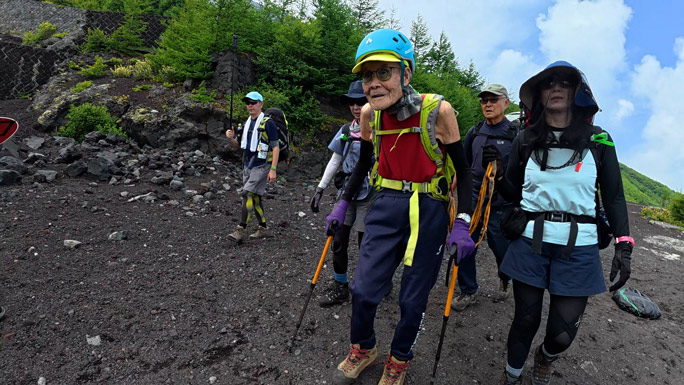
    A Japanese man, Kokichi Akuzawa, has become the oldest person to climb Mount Fuji at the age of 102. With help from his daughter and friends, he reached the top of Japan’s tallest mountain, which is 3,776 meters high.

    Akuzawa is an experienced climber. He is the honorary chairman of the Gunma Mountaineering Club and has climbed mountains almost every week. For his 99th birthday in 2022, he climbed Mount Nabewariyama, a smaller peak near Tokyo. He had already climbed Mount Fuji once before at age 96. Since then, he has faced serious health problems, such as a fall, heart failure, and shingles. Still, he wanted to climb Mount Fuji one last time.

    On August 3, Akuzawa started climbing the Yoshida trail, the easiest and most popular of Fuji’s four routes. Normally, this trail takes about six hours, but Akuzawa took three days, resting in huts along the way. “It was tough, and it felt very different from the last time I climbed,” he said. “I’m amazed I made it to the top.”

    Before the climb, Akuzawa trained by walking one hour every morning and climbing other mountains. The weather was good, but near the summit it became very cold with less oxygen. On the third day, he wanted to stop, but his daughter Motoe, who is 70, encouraged him to continue step by step. Finally, on August 5 at 11 a.m., Akuzawa reached the summit.

    “I couldn’t have done it without everyone’s help. I’m happy now,” he said.

    Mount Fuji, located southwest of Tokyo, is a sacred symbol of Japan and has appeared in many famous artworks, including Hokusai’s Thirty-Six Views of Mount Fuji. Over the years, several people have held the record as the oldest climber of Fuji. In 1986, Teiichi Igarashi summited at age 99. In 1994, Ichijiro Araya reached the top at 100 years and 258 days. Now, Akuzawa holds the record at 102 years and 51 days.

    Guinness World Records gave him an official certificate. When asked if he would climb again, Akuzawa replied, “For now, I am satisfied. If you ask me next year, maybe I’ll give you a different answer.”

  • Man Faces Jail for Sending 850 Turtles in Socks

    Man Faces Jail for Sending 850 Turtles in Socks

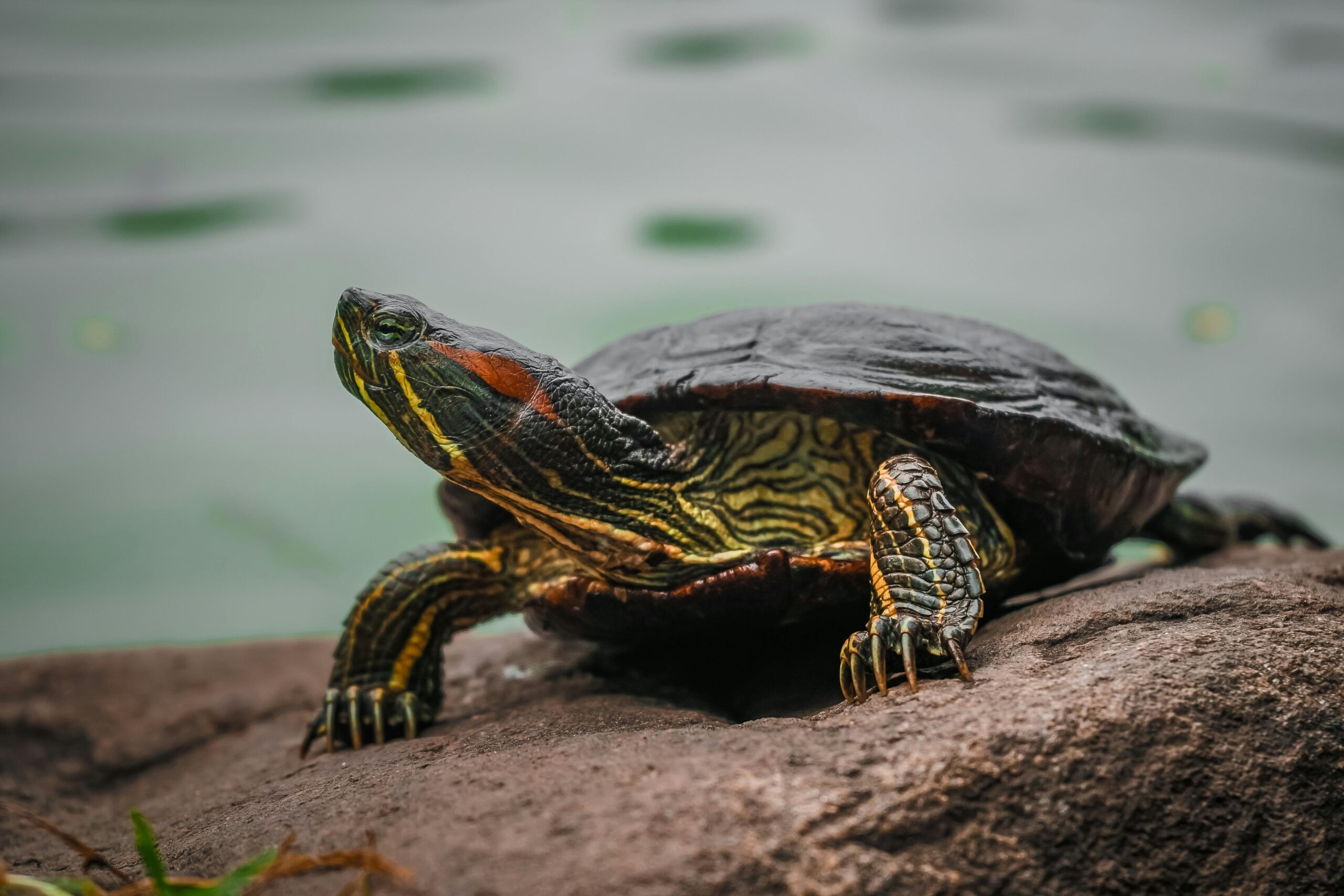
    A man from China has admitted in a US court that he sent about 850 turtles to Hong Kong. The turtles were wrapped in socks and the boxes were wrongly marked as toys.

    Between August 2023 and November 2024, Wei Qiang Lin sent over 200 parcels with turtles. Most of them were eastern box turtles and three-toed box turtles. These turtles are protected species and come from the US.

    In China, the turtles are popular pets and can be worth a lot of money. US officials say the turtles were worth about $1.4 million. Mr Lin was caught when border inspectors found the animals.

    He also sent other reptiles, including dangerous snakes. He will be sentenced on 23 December and could spend up to five years in prison.

    In another case earlier this year, a different man from China was jailed for 30 months for sending 2,000 turtles in socks. Those boxes were marked as cookies and almonds.

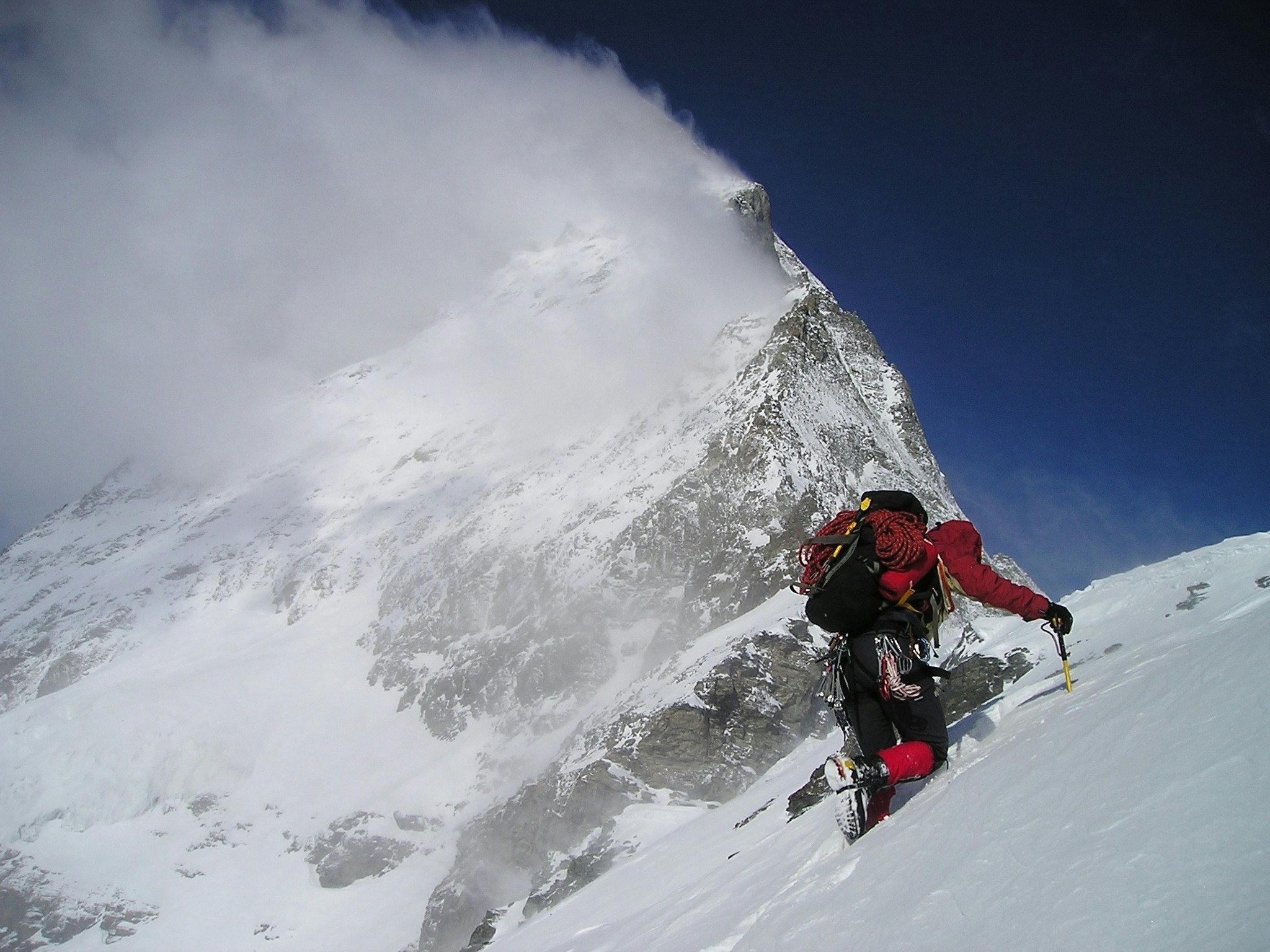
  • Nepal Lets Climbers Explore 97 Mountains for Free

    Nepal Lets Climbers Explore 97 Mountains for Free

    Nepal will let people climb 97 mountains for free for the next two years. The goal is to bring more tourists to remote parts of the country.

    At the same time, the cost to climb Mount Everest will go up in September to $15,000. This is the first price rise in almost 10 years.

    Nepal hopes the free climbs will help people discover new and less-visited mountains in Karnali and Sudurpaschim provinces. These mountains are between 5,970m and 7,132m high. The areas are very beautiful but poor, and not many tourists visit because it is hard to get there.

    In the past two years, only 68 climbers have visited these 97 mountains. By comparison, over 400 people got Everest climbing permits in 2024.

    Everest is very crowded and has safety and environmental problems. Nepal’s Supreme Court has told the government to limit the number of climbers. There is also a new rule being discussed that says people must first climb a mountain over 7,000m before trying Everest.

  • Paris Opens the Seine River for Swimming After 100 Years

    Paris Opens the Seine River for Swimming After 100 Years

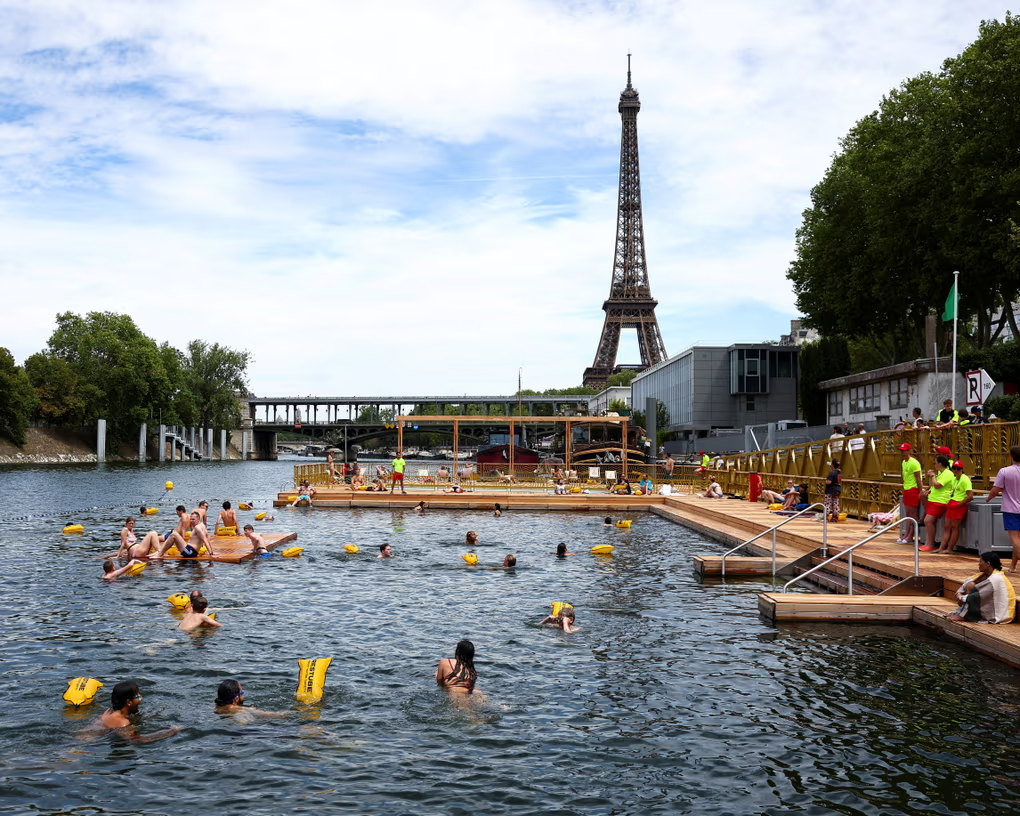
    People in Paris and visitors can now swim in the Seine River again. The city has allowed swimming for the first time in more than 100 years. Around 1,000 people can swim every day in three special places along the river. It is free to use these spots until the end of August.

    Paris cleaned the river with a big project that cost €1.4 billion. This work included connecting houses to the sewer, cleaning the water better, and building big tanks to hold rainwater. These changes helped stop dirty water from going into the river.

    The mayor of Paris, Anne Hidalgo, supported the project and even swam in the river before the Olympic Games. The idea also came from people who were already swimming in the river, even when it was not allowed.

    The swimming places are near famous places like the Eiffel Tower and Notre Dame. Families with children can enjoy the area near the Eiffel Tower. Lifeguards will be there, and people can use showers and changing rooms. The water will be tested every day to check if it is safe. A flag will show if it is okay to swim.

    More swimming places are coming outside Paris, on the Seine and Marne rivers. Two places on the Marne opened in June. The president of France, Emmanuel Macron, said he will swim in the Seine too.