Category: Advanced

  • How to Stop Your Cheese Sauce From Turning Clumpy

    How to Stop Your Cheese Sauce From Turning Clumpy

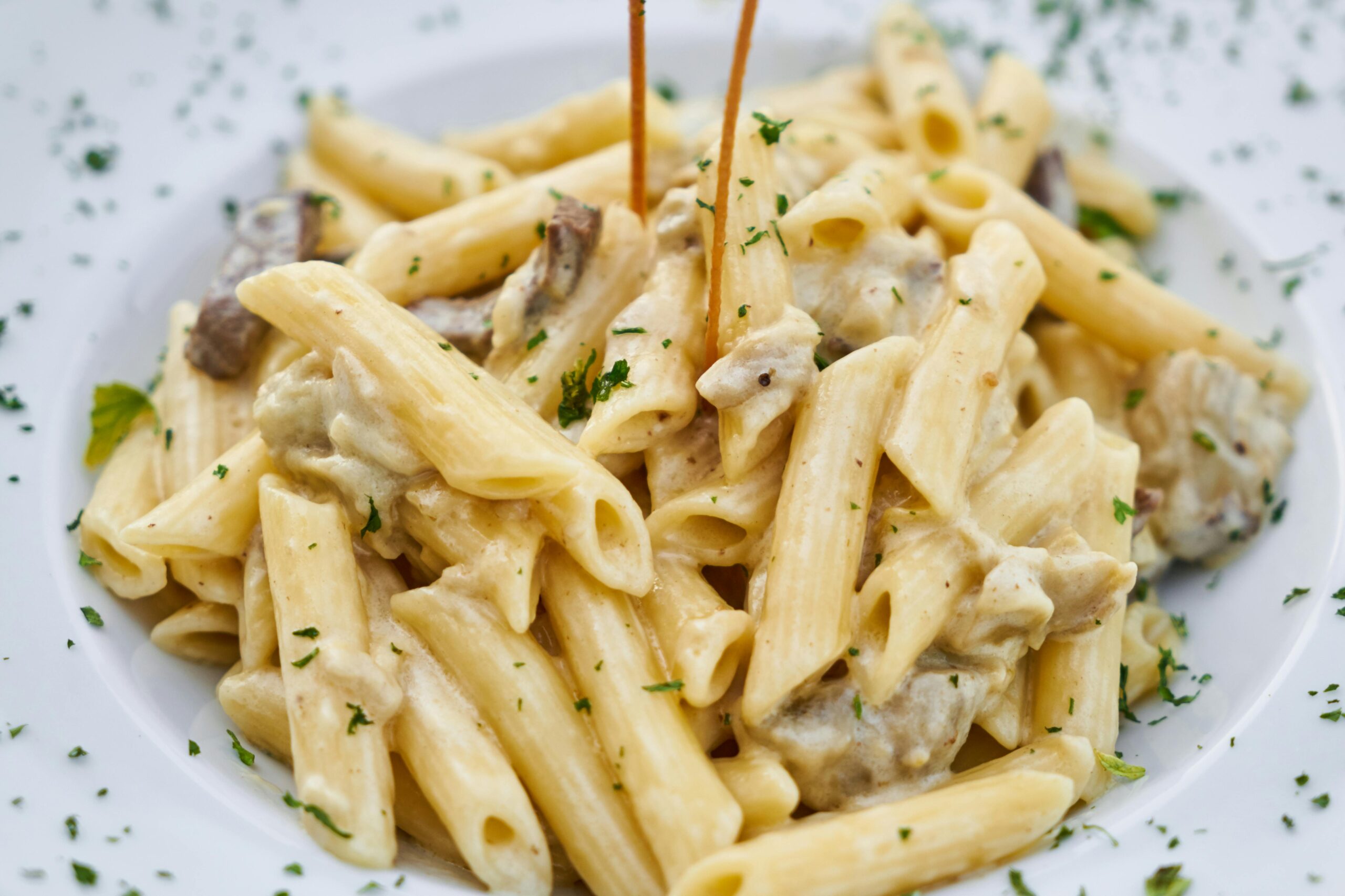
    If you’ve ever tried making cheesy pasta and ended up with lumps instead of a silky sauce, you’re not alone. According to Rachel Roddy, Feast’s Italian correspondent, it’s “annoying but very common.” She explains that in traditional Italian cooking, cacio e pepe was not originally the creamy sauce we expect today. It was simply pasta tossed with cheese.

    The problem comes down to heat. Pasta water is now widely used to create creamy emulsions, but that extra heat can cause cheese to separate. “When cheese gets too hot,” Roddy says, “the solids lose their fat and liquid, turning into little blobs.” The difference between smooth and clumpy sauce can be just a few degrees.

    Tim Siadatan, chef and author of Padella: Iconic Pasta at Home, points out that parmesan, often used in cacio e pepe, is harder to melt than soft cheeses like mozzarella. Parmesan is dry, high in protein, and low in moisture, which makes it tricky to achieve a smooth texture. His tip: grate the cheese very finely so it melts more easily, but keep it away from heat until you’re ready to use it. Otherwise, it can clump before it even touches the pasta.

    To keep things under control, some Roman chefs even add grated ice cubes to the pan along with the cheese. Roddy prefers mixing cheese and pepper with a little cold water in a bowl first, making a paste like toothpaste. Then, when the hot spaghetti is added, the mix melts smoothly without overheating. She also recommends patience: wait 10–30 seconds before tossing the pasta with the sauce so it cools just enough to prevent clumping.

    Siadatan’s method is slightly different: he keeps the pan over a medium-low heat and adds cheese gradually, a handful at a time, stirring it into the liquid until smooth. Mateo Zielonka, author of Pasta Pronto, also advises pairing cheese with a liquid base like butter, egg yolk, or cream. When making fettuccine alfredo, for example, he removes the pan from the heat before adding parmesan in two stages to avoid stringiness.

    But what if it all goes wrong? Roddy says you can sometimes save the sauce by adding more cheese, a splash of cold water, and beating it vigorously. If not, she suggests treating it as a learning moment: “Watching cheese coagulate is the best way to understand how temperature changes everything.”

  • How Many Mass Extinctions Have Shaped Life on Earth?

    How Many Mass Extinctions Have Shaped Life on Earth?

    Extinction has been one of the most defining forces in Earth’s history. Over the past 500 million years, our planet has endured five major mass extinction events—periods when biodiversity collapsed on a global scale and ecosystems were reshaped forever. Each of these die-offs was triggered by different catastrophic forces, from volcanic upheavals to asteroid impacts and abrupt climate shifts. Yet, in every case, the outcome was the same: life was pushed to its limits.

    Today, many scientists argue we are witnessing the beginnings of a sixth mass extinction, this time driven not by natural cataclysms but by human activity—deforestation, overfishing, pollution, and the climate crisis. To understand the gravity of this moment, it is worth revisiting the five great extinctions of the past.

    The Late Ordovician (444 million years ago)

    The first of the “Big Five” saw around 86% of species vanish, most of them marine organisms such as trilobites, corals, and brachiopods. The culprit was a dramatic climate shift: a sharp drop in carbon dioxide triggered a global ice age. Vast glaciers formed, sea levels plummeted, and shallow marine habitats—the cradle of Ordovician biodiversity—were devastated. When the ice eventually melted, sea levels rose again, compounding the destruction. Despite the devastation, this upheaval paved the way for new evolutionary paths.

    The Late Devonian (372 million years ago)

    Unlike the sudden Ordovician collapse, the Devonian extinction unfolded over millions of years, wiping out roughly 75% of species. Coral reefs, once thriving, collapsed and took millions of years to recover. Scientists suspect that the spread of vascular plants across land played a role: their roots destabilized soils, releasing nutrients into rivers and seas. This triggered vast algae blooms, which drained oxygen from the oceans—a phenomenon known as anoxia. While volcanic activity, asteroid strikes, and climate shifts may also have contributed, much about this extinction remains uncertain.

    The Permian-Triassic Event (252 million years ago)

    Nicknamed “The Great Dying,” this was the most catastrophic extinction in Earth’s history. Between 90% and 96% of all species disappeared. Massive volcanic eruptions in Siberia blanketed the skies with greenhouse gases, sparking intense global warming, ocean acidification, and widespread oxygen depletion. Marine ecosystems collapsed, forests withered, and many insect groups vanished. The crisis lasted around 30,000 years and fundamentally reset the trajectory of life on Earth.

    The Triassic-Jurassic Extinction (201 million years ago)

    Marking the end of the Triassic period, this extinction eliminated 70–76% of species, especially marine reptiles, early amphibians, and many plant groups. The most likely cause was another episode of colossal volcanism, this time in the Central Atlantic Magmatic Province, which released immense volumes of carbon dioxide. Rising temperatures and acidified oceans reshaped ecosystems. Yet, this ecological reset cleared the stage for dinosaurs to rise to dominance and diversify for the next 135 million years.

    The Cretaceous-Paleogene Event (66 million years ago)

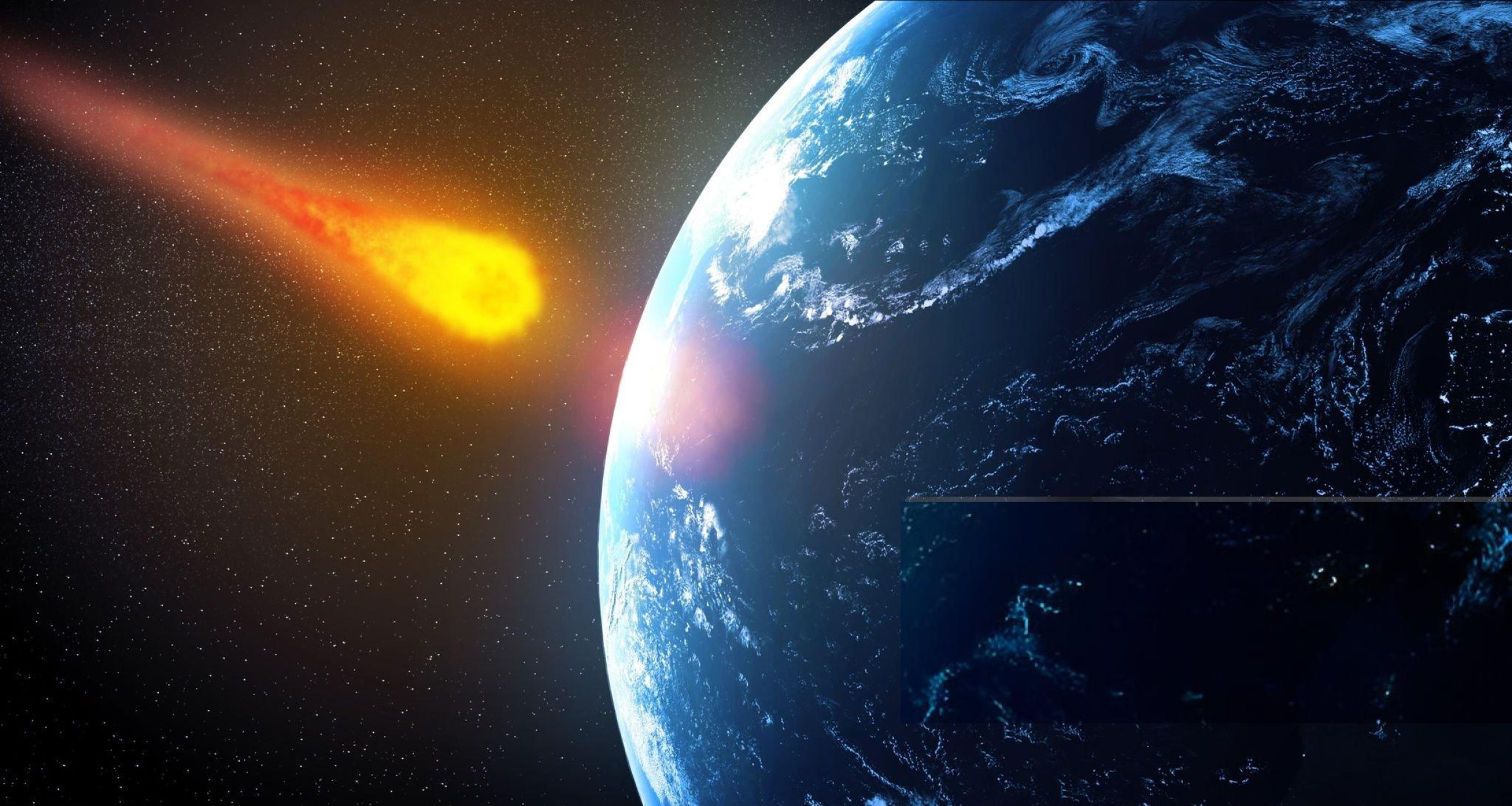
    Perhaps the most famous extinction, this event spelled the end of the non-avian dinosaurs and wiped out around 75% of species. The cataclysm was triggered by a 10–15 km-wide asteroid that slammed into present-day Mexico, forming the Chicxulub crater. The impact unleashed tsunamis, global wildfires, and months of “impact winter,” as debris blocked sunlight and photosynthesis faltered. Food chains collapsed across land and sea. Some researchers argue that volcanic eruptions in India (the Deccan Traps) may have worsened the crisis. While the dinosaurs perished, birds—descendants of small theropods—survived, and mammals seized the ecological niches left behind.

    Lessons for Today

    The fossil record makes clear that mass extinctions are transformative moments, reshaping the planet’s biosphere in ways both destructive and creative. Each extinction eliminated dominant groups yet also opened evolutionary opportunities for others. The dinosaurs’ fall, for instance, created space for mammals—and eventually humans—to thrive.

    The troubling difference today is that the potential sixth extinction is being driven not by cosmic or geological forces, but by human activity. Past extinctions teach us that recovery takes millions of years. Whether our species can prevent or at least mitigate another planetary-scale collapse depends on choices we make now.

  • Australian Sunscreens Failing to Deliver Promised Protection, Study Reveals

    Australian Sunscreens Failing to Deliver Promised Protection, Study Reveals

    A number of Australia’s most trusted sunscreen brands, including Bondi Sands, Banana Boat, and even the Cancer Council, have been found to offer significantly less protection than advertised, according to a new investigation by consumer advocacy group Choice.

    The organisation commissioned an accredited laboratory to test 20 widely available sunscreens marketed as SPF 50 or 50+. The results were striking: 16 failed to meet their stated SPF ratings, raising questions about product reliability, consumer safety, and regulatory oversight.

    Questioning SPF Claims

    SPF, or sun protection factor, indicates how effectively a sunscreen prevents sunburn by filtering ultraviolet B (UVB) radiation. An SPF 30 product is expected to block 96.7% of UVB rays, while SPF 50 should block around 98%. These claims fall under the jurisdiction of the Therapeutic Goods Administration (TGA), which enforces compliance through standardised testing.

    Choice’s most concerning finding came from Ultra Violette’s Lean Screen SPF 50+, which returned an SPF rating of just four in its first test, and five in a second, independently verified trial in Germany. Chief executive Ashley de Silva described the outcome as “shocking.” Ultra Violette, however, rejected the results as “misleading,” claiming its own tests—conducted on a full 10-person panel in line with TGA protocols—produced an SPF of 61.7.

    Brands Under Scrutiny

    The investigation found other major brands also fell short. Products from Coles, Nivea, Sun Bum, Banana Boat, Bondi Sands, Cancer Council, Neutrogena, Aldi, Woolworths, and Invisible Zinc tested well below their advertised SPF 50+ claims, in some cases scoring as low as the mid-20s.

    Only four sunscreens exceeded their claims: La Roche-Posay Anthelios Wet Skin SPF 50+ (72), Neutrogena Ultra Sheer Body Lotion SPF 50 (56), Cancer Council Kids Sunscreen 50+ (52), and Mecca Cosmetica To Save Body SPF 50+ (51).

    Industry and Regulatory Response

    While de Silva noted that sunscreens testing in the 30s still provide “a very good level of protection,” he stressed the importance of truthful labelling: “Consumers are entitled to confidence that the product they buy performs as promised.”

    Several companies, including Cancer Council and Aldi, have insisted their sunscreens comply with TGA standards and have submitted products for further testing. Bondi Sands and Ultra Violette dismissed Choice’s results as unrepresentative.

    The TGA has confirmed it is reviewing the findings and will “take regulatory action as required.” Meanwhile, the Australian Competition and Consumer Commission (ACCC) said it is working with the TGA to determine whether any companies have breached consumer law by making false or misleading claims.

    Trust in Question

    For a country with some of the highest skin cancer rates in the world, sunscreen efficacy is not a trivial matter. The findings highlight the gap between marketing promises and independent performance testing—raising concerns over whether consumers can trust that SPF labels are more than just numbers on a bottle.

  • Italy Bids Farewell to Fashion Icon Giorgio Armani

    Italy Bids Farewell to Fashion Icon Giorgio Armani

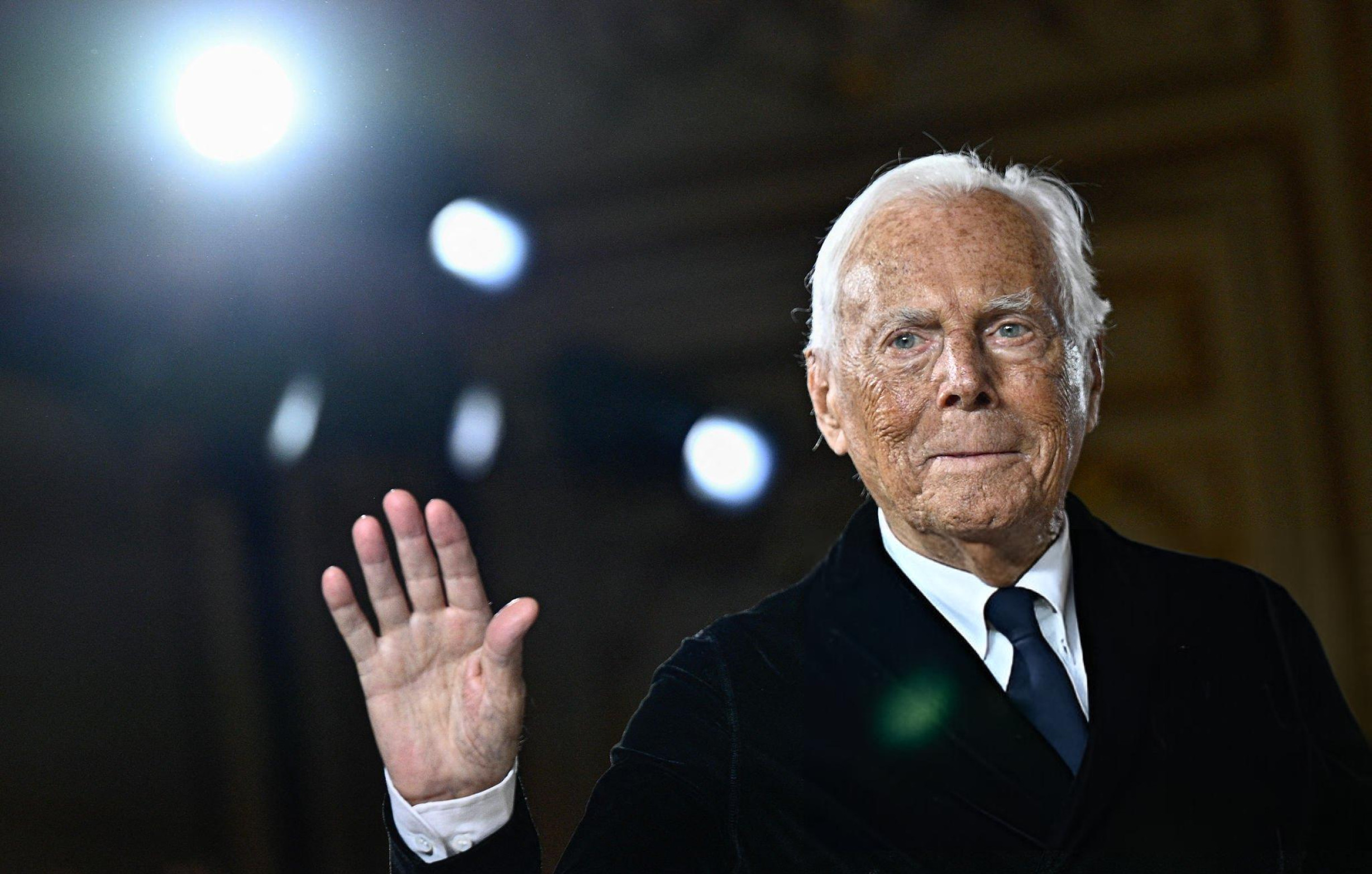
    Giorgio Armani, the legendary Italian designer who revolutionized modern tailoring and became synonymous with understated elegance, has passed away at the age of 91. Although his name has long been associated with global glamour — from Hollywood red carpets to Milan’s runways — his final farewell will unfold in a markedly private setting, far from the limelight.

    Born in 1934 in the northern Italian town of Piacenza, Armani will be laid to rest in Rivalta, a nearby village where his family roots run deep. His funeral, to be held at the San Martino church, will host around 20 guests in a ceremony deliberately shielded from the public eye. Local businesses recalled his enduring connection to the area: one restaurant owner reminisced that Armani often praised their tortelli, which reminded him of his mother’s cooking. As a sign of mourning, Rivalta will close to visitors, and Armani boutiques across Italy will shutter for the afternoon.

    This quiet service contrasts sharply with the public tributes of the preceding weekend. Approximately 16,000 people visited Armani’s funeral chamber at Milan’s Armani Teatro, where his body lay in state among 300 lanterns. Citizens, dignitaries, and fellow designers, including Donatella Versace, Milan’s mayor Giuseppe Sala, and filmmakers Gabriele Salvatores and Giuseppe Tornatore, gathered to honor a man widely seen as a cultural ambassador for Italy.

    The designer’s absence from his June 2025 runway show — the first in his career — sparked speculation about his health, though his company said only that he was “recovering at home.” Until his final days, Armani remained deeply involved in preparations for a 50th-anniversary retrospective and runway event, both of which are expected to proceed in tribute to his enduring legacy.

    Officials in both Piacenza and Milan have declared a day of mourning, underscoring Armani’s profound influence on Italian identity. Parish priest Giuseppe Busani, who will officiate the ceremony, reflected on the family’s long relationship with Rivalta: “We are grateful he chose this place; many Armani family events have been celebrated here.” According to local reports, the designer will be interred in the family chapel alongside his parents and his brother Sergio, who died in 1985.

    A visionary who redefined elegance for nearly half a century, Armani leaves behind not only a global empire but also a cultural imprint that transcends fashion.