Category: Beginner

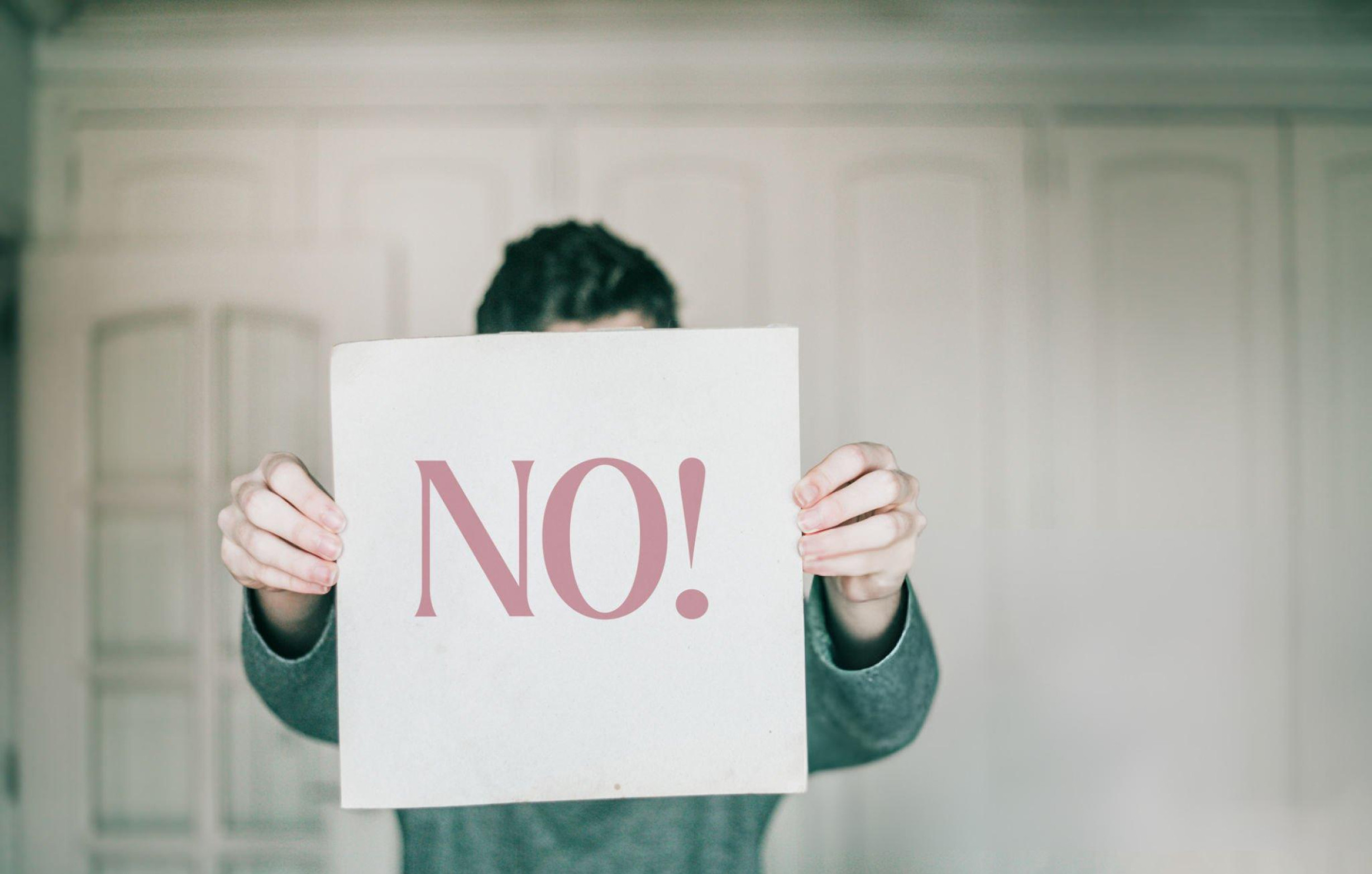
  • The Power of Saying “No”

    The Power of Saying “No”

    Many people think being productive means doing more. But the real secret to being productive is saying no.

    If you don’t do something, you save time. For example, the fastest meeting is the one that doesn’t happen. Of course, sometimes we must go to meetings or do tasks, but we often say “yes” to things we don’t really want or need to do.

    Later, we feel tired and stressed because our to-do list is full. We said “yes” too many times. That’s why learning to say “no” is so important.

    Why We Say “Yes”

    We often say “yes” not because we want to, but because we don’t want to look rude or unkind. We want to be helpful to friends, family, and co-workers.

    It’s not wrong to want to help others, but if we always say yes, we lose our own time and energy. Sometimes we agree to things that don’t really help anyone — and don’t make our lives better either.

    Yes vs. No

    Saying “yes” and saying “no” don’t have the same value. When you say no, you are only saying no to one thing.

    When you say yes, you are saying no to everything else you could do at that time.

    When you say yes, you give away your future time. When you say no, you protect your future time.

    Saying no means keeping control of your time.

    Saying yes means giving your time to someone else.

    “No” is a decision. “Yes” is a responsibility.

    Why Saying No Matters

    Some people think only rich or powerful people can say no. That’s not true. Everyone can and should use “no” wisely.

    Your time is your most important resource. If you don’t protect it, other people will take it. You should say no to things that don’t move you toward your goals.

    Steve Jobs once said:

    “Focus doesn’t mean saying yes to what’s important. It means saying no to hundreds of other good ideas.”

    When you stop wasting time on distractions, you can focus on what really matters.

    Learning to Say No Better

    As you grow and improve, you need to become more careful about what you say yes to.

    At first, you say no to bad things — distractions, waste of time, etc.

    Later, you need to say no to good things too, so you can make time for great things.

    Saying no doesn’t mean you never say yes. It just means you say yes only when it truly matters.

    How to Say No

    If you find it hard to say no, try this:

    Ask yourself, “If I had to do this today, would I say yes?”

    If the answer is no, then you should probably not agree to it.

    Another simple rule: if the answer is not “Wow, yes! I’d love to do that!” — then it’s probably a “no.”

    Saying no is easier than trying to stop something later. It’s better to prevent stress than to fix it later.

    Final Thought

    We often waste more time doing things that don’t matter than doing things badly. The most productive people are not the busiest — they are the most selective.

    As Peter Drucker said:

    “There is nothing so useless as doing efficiently what should not be done at all.”

    So remember: the best productivity trick is simple — learn to say no.
  • Man Faces Jail for Sending 850 Turtles in Socks

    Man Faces Jail for Sending 850 Turtles in Socks

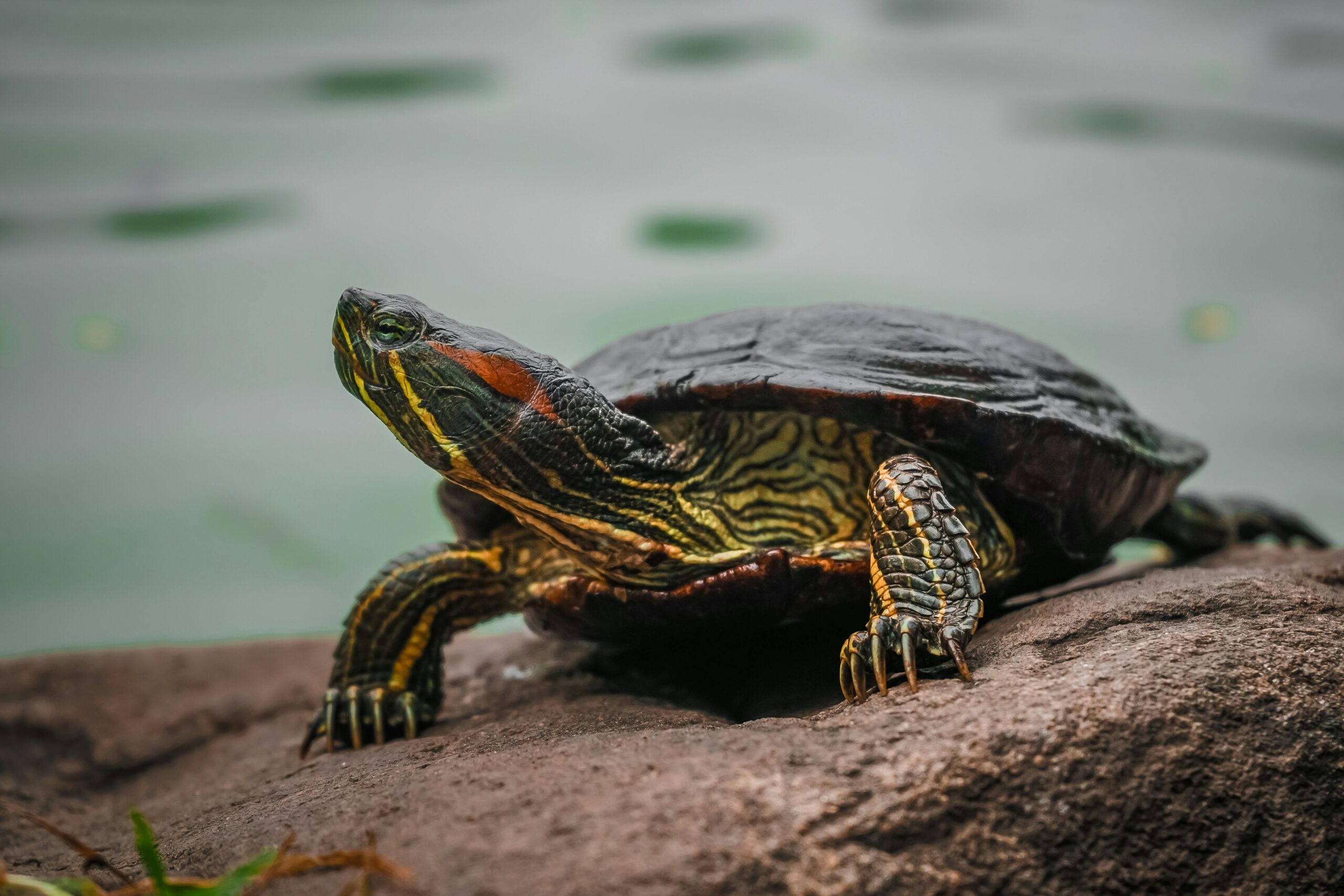
    A man from China has admitted in a US court that he sent about 850 turtles to Hong Kong. The turtles were wrapped in socks and the boxes were wrongly marked as toys.

    Between August 2023 and November 2024, Wei Qiang Lin sent over 200 parcels with turtles. Most of them were eastern box turtles and three-toed box turtles. These turtles are protected species and come from the US.

    In China, the turtles are popular pets and can be worth a lot of money. US officials say the turtles were worth about $1.4 million. Mr Lin was caught when border inspectors found the animals.

    He also sent other reptiles, including dangerous snakes. He will be sentenced on 23 December and could spend up to five years in prison.

    In another case earlier this year, a different man from China was jailed for 30 months for sending 2,000 turtles in socks. Those boxes were marked as cookies and almonds.

  • Nepal Lets Climbers Explore 97 Mountains for Free

    Nepal Lets Climbers Explore 97 Mountains for Free

    Nepal will let people climb 97 mountains for free for the next two years. The goal is to bring more tourists to remote parts of the country.

    At the same time, the cost to climb Mount Everest will go up in September to $15,000. This is the first price rise in almost 10 years.

    Nepal hopes the free climbs will help people discover new and less-visited mountains in Karnali and Sudurpaschim provinces. These mountains are between 5,970m and 7,132m high. The areas are very beautiful but poor, and not many tourists visit because it is hard to get there.

    In the past two years, only 68 climbers have visited these 97 mountains. By comparison, over 400 people got Everest climbing permits in 2024.

    Everest is very crowded and has safety and environmental problems. Nepal’s Supreme Court has told the government to limit the number of climbers. There is also a new rule being discussed that says people must first climb a mountain over 7,000m before trying Everest.

  • Paris Opens the Seine River for Swimming After 100 Years

    Paris Opens the Seine River for Swimming After 100 Years

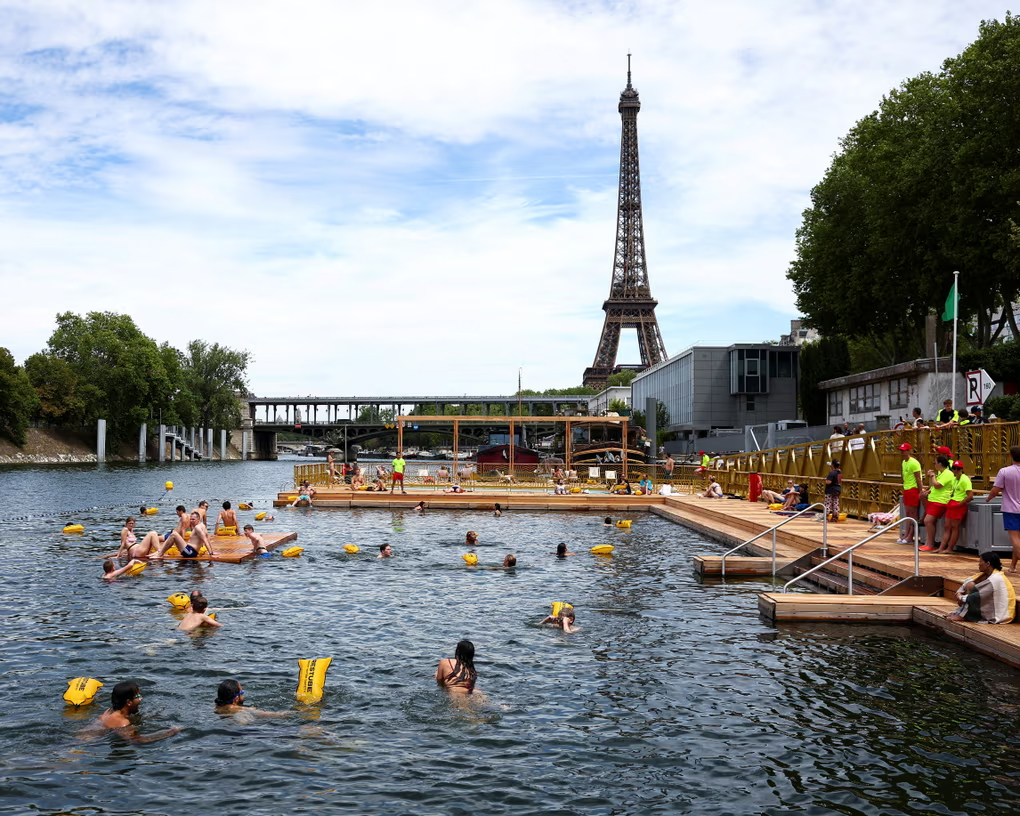
    People in Paris and visitors can now swim in the Seine River again. The city has allowed swimming for the first time in more than 100 years. Around 1,000 people can swim every day in three special places along the river. It is free to use these spots until the end of August.

    Paris cleaned the river with a big project that cost €1.4 billion. This work included connecting houses to the sewer, cleaning the water better, and building big tanks to hold rainwater. These changes helped stop dirty water from going into the river.

    The mayor of Paris, Anne Hidalgo, supported the project and even swam in the river before the Olympic Games. The idea also came from people who were already swimming in the river, even when it was not allowed.

    The swimming places are near famous places like the Eiffel Tower and Notre Dame. Families with children can enjoy the area near the Eiffel Tower. Lifeguards will be there, and people can use showers and changing rooms. The water will be tested every day to check if it is safe. A flag will show if it is okay to swim.

    More swimming places are coming outside Paris, on the Seine and Marne rivers. Two places on the Marne opened in June. The president of France, Emmanuel Macron, said he will swim in the Seine too.